
It was a cold morning in January 2019.
I rushed into the office, coffee in one hand, laptop in the other — another ordinary day, or so I thought.
The task was simple: update our brand’s website. But then came the email from our Asian headquarters.
“Please ensure user consent for data collection.”
That meant cookies, analytics, tracking — the invisible trails we all leave behind.
We decided to do it right, with three layers of consent:
basic permissions, analytics tracking, and advertising tracking.
At the time, ad tracking wasn’t even discussed in Turkey.
But we went ahead anyway — thinking it was the ethical thing to do.
And then it happened.
Traffic dropped. Not a little, but nearly in half.
We had to explain it to senior management.
“People saw the consent notice,” I said, “and they left.”
It was transparency versus numbers — and transparency lost.
A few months later, we removed the advertising layer.
Traffic climbed again, the graphs looked healthy, and everyone seemed happy.
But I wasn’t.
That experience taught me something I couldn’t unsee:
when you tell people the truth, they protect themselves.
When you tell companies the truth, they protect their profits.
Corporations don’t exist to serve humanity.
They exist to serve growth.
Sales, numbers, market share — not time, health, or ethics.
And when the law doesn’t protect people, kindness from companies becomes a marketing tactic, not a moral choice.
There’s a line I love:
“If someone always harms you, you recognize it.
If someone always helps you, you recognize it.
But if someone does both, you never really know who they are.”
That’s what today’s global corporations are — both good and harmful, sometimes in the same breath.
They connect us, entertain us, even empower us — while quietly taking something in return.
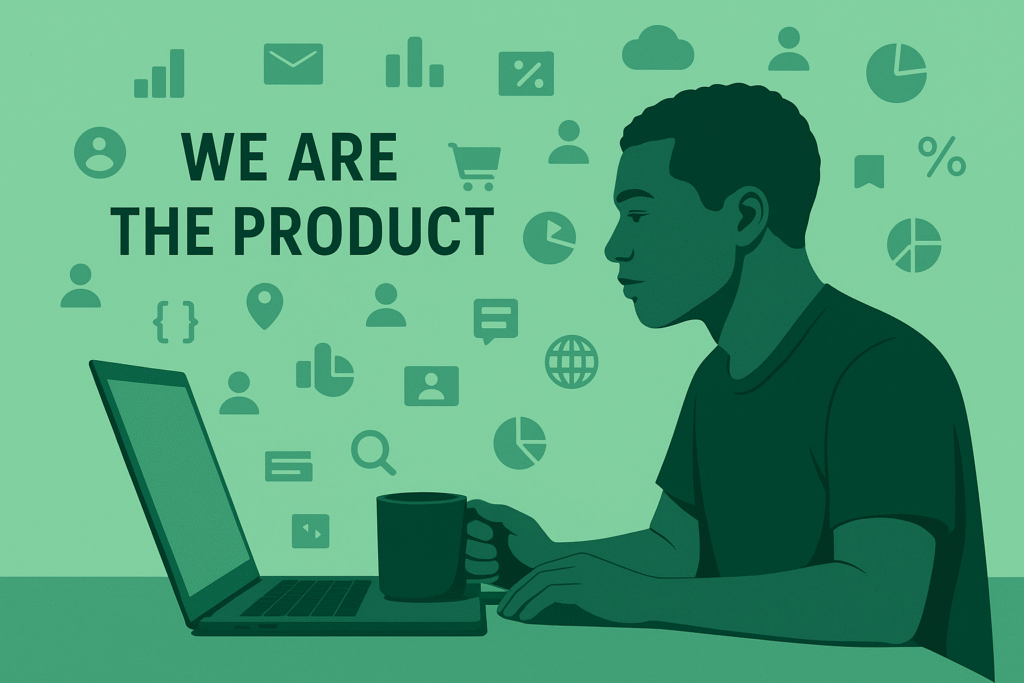
We think these tools are free.
But nothing is free.
Because we are the product.
Meta wants you to scroll longer.
Amazon pays you $2 for your data.
Google knows where you’ve been before you remember it yourself.
They all say it’s for personalization, for better experiences.
But behind the curtain, it’s behavioral mapping — billions of invisible fingerprints creating profiles more detailed than any diary.
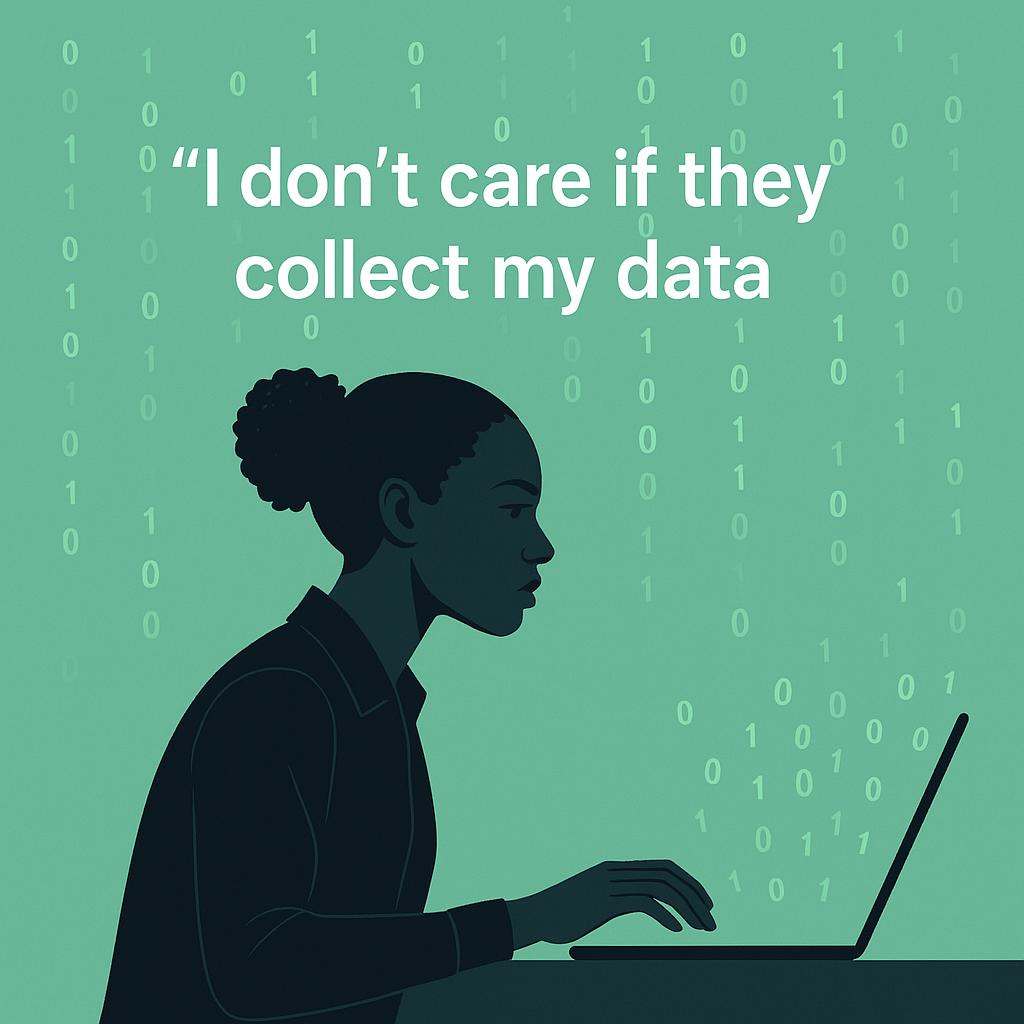
And you might say, “I don’t care, I’m not famous.”
But that’s exactly why the system works.
Because indifference feeds it.
Your time becomes content.
Your emotion becomes data.
Your curiosity becomes currency.
And slowly, your silence becomes consent.
I’ve spent almost two decades in photography.
When Instagram first arrived, it felt pure — spontaneous moments, honest shots, real people.
Then came filters.
Then came performance.
Now, everything feels staged.
We pose for strangers and perform for algorithms.
We trade real experiences for digital applause — likes, comments, shares.
They give us a dopamine rush, but no meaning.
Even professional actors get paid for their roles.
We perform daily for free.
Influencers might earn something, but even they walk a fragile line.
The platforms take most of the profit, leaving crumbs for creators.
And the rest of us?
We’re not creators. We’re data.
We’re the audience, the actors, and the raw material — all at once.
So what now?
Maybe awareness is the first step.
Not deleting everything, not escaping the internet — but understanding it.
Every scroll, every like, every “I agree” is a choice.
Every minute spent online is a trade.
I’m not here to preach.
Just to remember.
Because every time I write, I realize how much I forget when I don’t.
And maybe that’s what LogLife is really about —
recording what matters, staying awake in a world that never sleeps,
and reminding ourselves that even in a digital storm,
we still get to choose what we keep.









Leave a comment